

Discover how RegCheck® delivers smarter mortgage compliance reviews through loan-specific testing, configurable compliance logic, built-in expertise, and support for evolving industry standards.

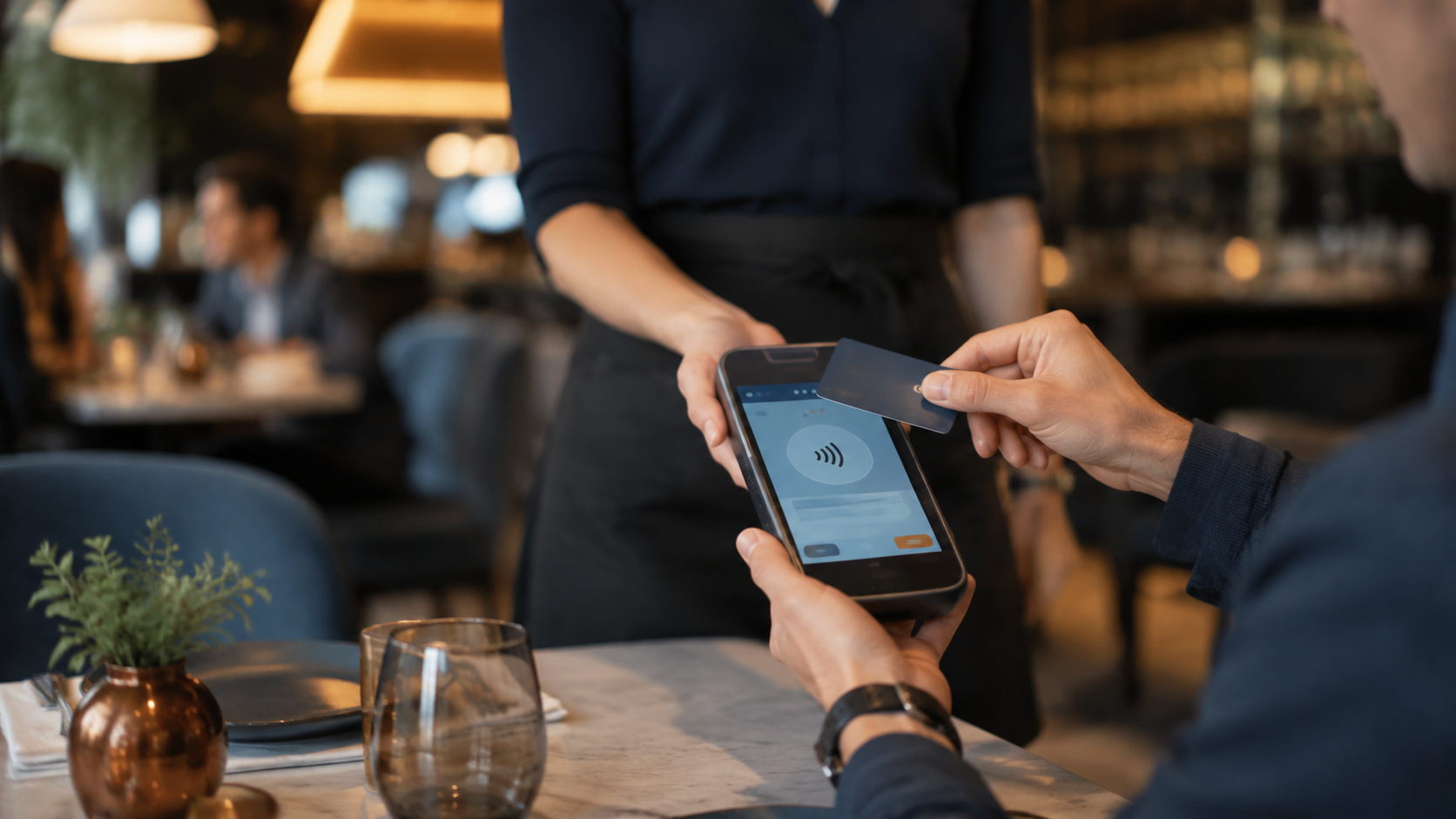
Handheld payment terminals have become commonplace at restaurants. They are fast, convenient, and offer an important security advantage: instead of handing your card to someone who takes it out of sight, you can keep it in your possession throughout the transaction.
Although these devices are generally a secure way to pay, no payment method is entirely risk-free. Understanding what to look for and taking a few simple precautions can help protect your payment information.
Modern payment terminals typically support EMV chip cards and contactless payments. Unlike traditional magnetic-stripe transactions, chip-based payments generate transaction-specific security data that makes stolen payment information more difficult to reuse.
Keeping your card in your possession also reduces the opportunity for someone to copy its information while it is out of view. Paying with a mobile wallet can add another layer of protection because services such as Apple Pay, Google Pay, and Samsung Wallet generally use tokenization rather than transmitting your actual card number to the merchant.
Still, security depends on more than the payment technology. Consumers should remain alert to signs of tampering, fraudulent payment links, and incorrect transaction amounts.
Tampered payment devices
Although device tampering is uncommon, criminals may attempt to install skimming equipment or otherwise modify a payment terminal to capture card information.
Before paying, take a quick look at the device. Be cautious if it has loose components, unusual attachments, damaged seals, or parts that do not appear to fit properly. If anything looks suspicious, ask to use another terminal or pay at the main register.
Fraudulent QR codes
Some restaurants allow diners to view their bills or pay by scanning a QR code. Scammers can replace a legitimate code with one that leads to a fraudulent website designed to steal payment or login information.
Inspect the code before scanning it, particularly if it appears to be a sticker placed over another code. After scanning, confirm that the website address appears legitimate before entering payment information. If you are uncertain, ask a restaurant employee to verify the code.
Incorrect totals or tips
Always review the amount displayed before approving a transaction. Confirm that the bill total, tip, and final amount are correct.
A few extra seconds of review can help you catch an accidental entry or unauthorized change before the payment is completed.
Exposed PINs
If the transaction requires a PIN, shield the keypad with your hand while entering it. This can help prevent nearby individuals or improperly positioned cameras from observing the number.
A few simple habits can reduce your risk:
For most diners, handheld restaurant payment terminals provide a secure and convenient way to pay. Keeping your card in sight may also reduce certain risks associated with handing it to someone who processes the payment elsewhere.
Technology is only part of the protection, however. Inspect the device, verify the amount, use secure payment methods, and monitor your account afterward. A few seconds of attention at the table can help protect your finances long after the meal is over.
Want more practical ways to protect your personal and financial information? Explore more cybersecurity insights from Asurity.
Discover how RegCheck® delivers smarter mortgage compliance reviews through loan-specific testing, configurable compliance logic, built-in expertise, and support for evolving industry standards.
Discover how Propel™ streamlines DSCR loan production. Generate compliant DSCR documentation nationwide, close faster, and scale investor lending with seamless integration and compliance-first automation.
Find out why a top-ten mortgage lender with a proprietary loan origination system (LOS) needed to convert from a legacy document platform.